
Why Beauty (and Looksmaxxing) Matter Today — Without the Hype
6 min read
By Lookmax Analyzer Team — Updated Apr 26, 2026
Most first impressions now happen online and in seconds — here's how to nudge them fairly.
TL;DR: First impressions are fast. You can shift them with controllable levers — grooming, hair, skin basics, posture, expression, fit, sleep; and, for photos, lighting & camera.
Gender-neutral: adjust any tip to your style. Goal: clearer, healthier presentation — not one specific look.
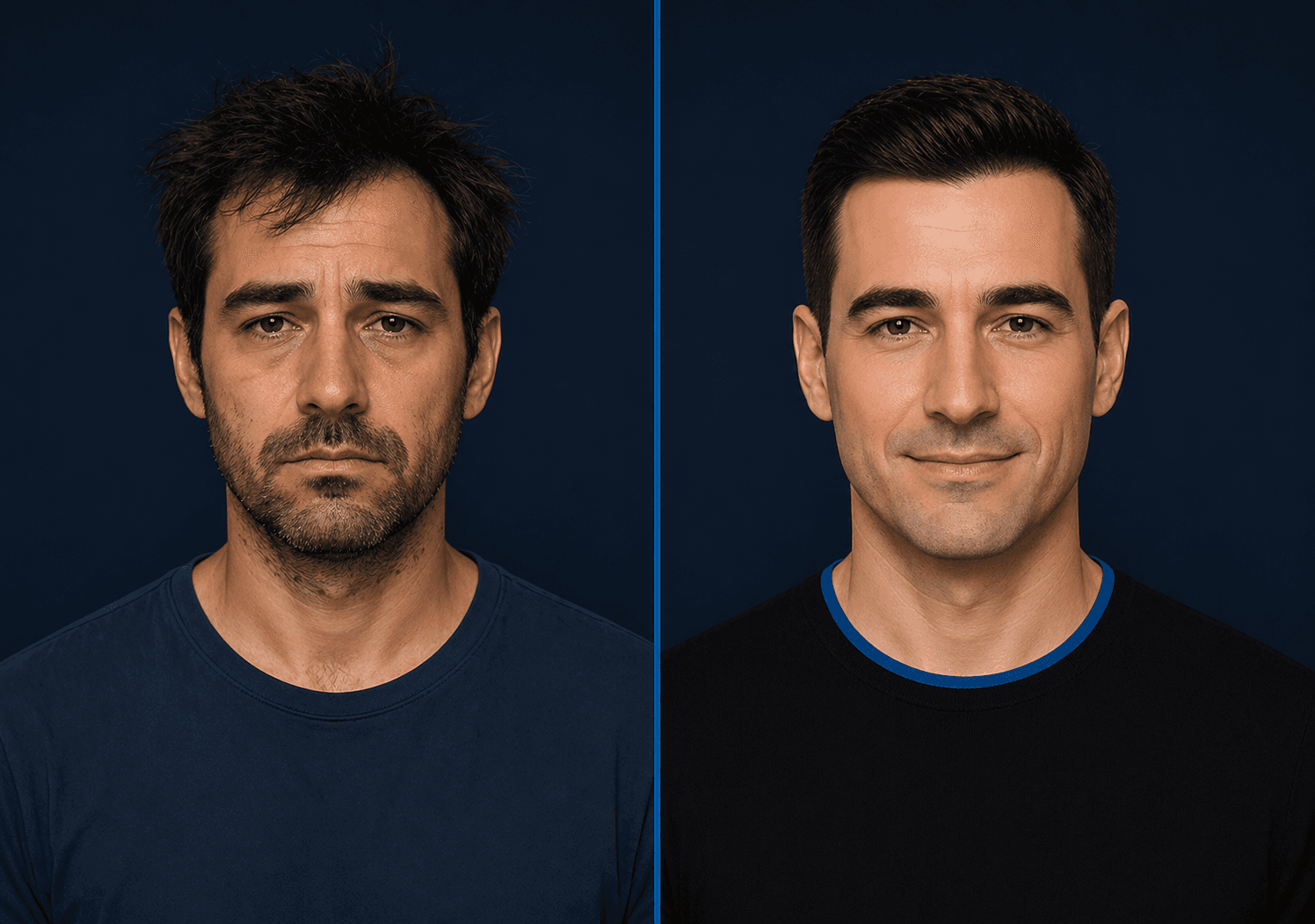
Small, controllable changes shape first impressions more than you think.
Key takeaways#
"Beauty" here means your overall first-glance impression — how put-together, healthy, and approachable you appear.
The biggest gains come from changeable things: grooming, hair shape, skin basics, posture, expression, and framing & fit.
A clearer first impression can help with work, dating, and self-confidence — not by magic, but by clearer signals.
Metrics (symmetry, eye ratio, thirds) are guides, not a score of your worth.
What "beauty" means in practice#
Think of appearance as communication. At a glance, people subconsciously ask:
- Do you look rested and healthy?
- skin basics, sleep
- Are you put-together?
- hair, brows, nails, outfit fit
- Are you open and confident?
- posture, eye contact, gentle smile
- Is your image easy to read?
- simple lighting, neutral background
It's a bundle of cues — not just bone structure.
Why it matters#
We're not promising miracles. But across hiring, psychology, and everyday social contexts, appearance affects how quickly others read competence, health, and warmth.
First impressions: People categorize in seconds; clean grooming + relaxed posture + friendly expression help prevent negative snap judgments.
Work & earnings: Polished presentation signals orderliness and reliability, which can influence callbacks, team trust, and leadership perception.
Dating & social: Tidy hair/skin, good posture, and a natural expression increase positive responses; in photos, realistic lighting beats filters.
Self-efficacy: Small upgrades (sleep, haircut, posture) create a confidence loop — you carry yourself better, and people respond better.
Mindset: Use looksmaxxing to make your strengths easier to read. Skills and character still do the heavy lifting.
What actually changes#
Appearance does not work like a fixed score. It works like a stack of signals. A person can have the same facial structure and still read very differently depending on light, hair shape, posture, expression, skin texture, and clothing fit.
The practical goal is to reduce noise. Harsh overhead lighting, messy hair edges, poor sleep, wrinkled collars, camera distortion, or a tense expression can distract from your actual features. Fixing those does not make you a different person; it makes the first read cleaner.
Clean grooming, healthy skin baseline, balanced hair shape, posture, expression.
Work, dating, social photos, gym, nightlife, formal events, culture, climate.
Repeatable routines you can maintain when busy, tired, or under pressure.
Useful rule: improve what people notice before they know you: face clarity, hair outline, posture, outfit fit, and photo quality.
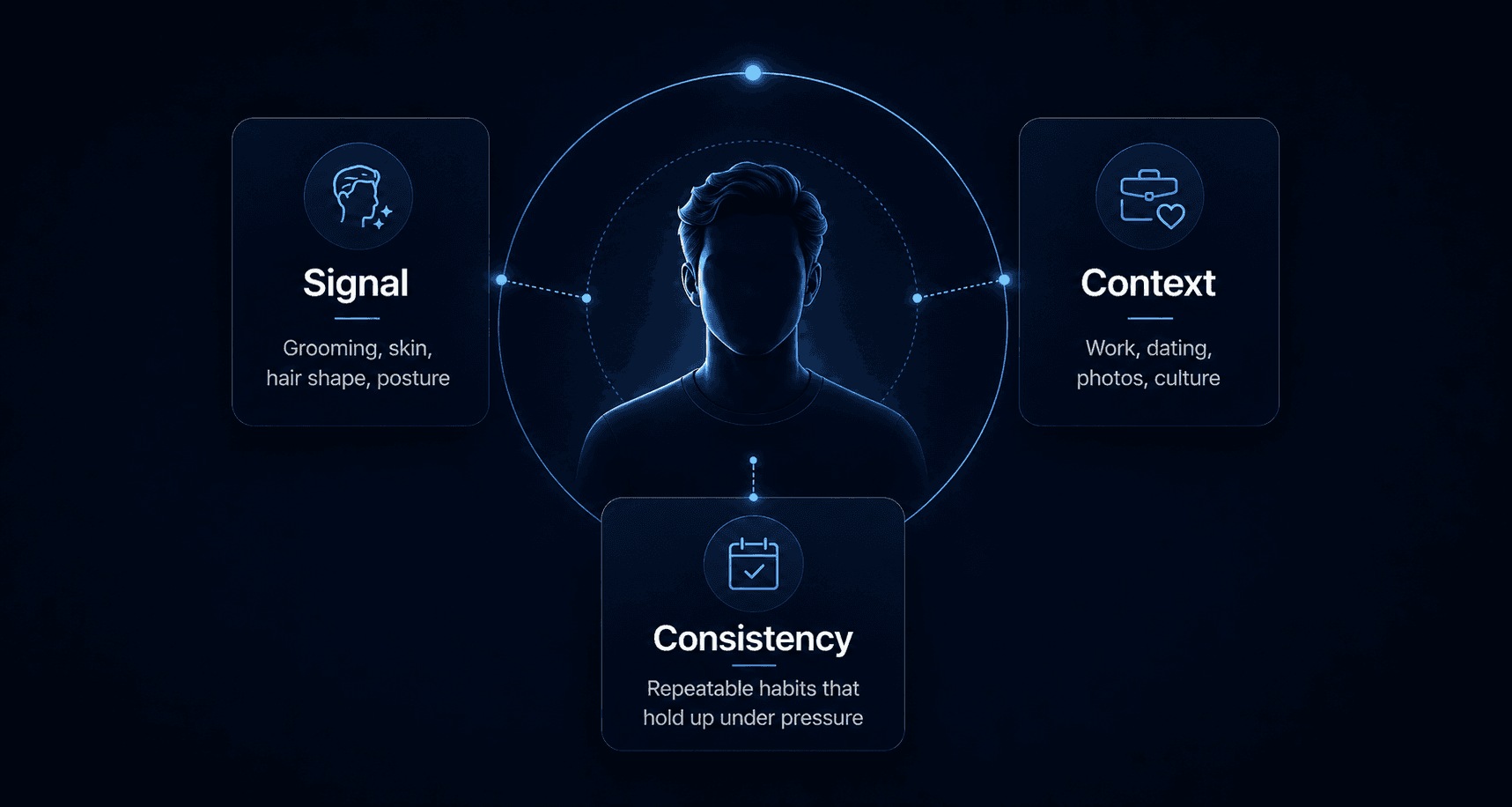
A simple visual can show how grooming, setting, and repeatable habits work together.
Where it shows up#
Online photos: Most profiles are judged before your bio is read. Eye-level camera distance, indirect light, a clean background, and a relaxed expression can change how approachable and trustworthy you seem.
Work settings: A polished baseline helps people focus on your ideas instead of avoidable distractions. That does not mean dressing expensively; it means clean lines, intentional grooming, and context-aware presentation.
Dating and social life: Attraction is not only structure. Warmth, confidence, style fit, voice, movement, and comfort in your own skin all affect the final read.
Your own behavior: When you know you look prepared, you often act more open: steadier eye contact, better posture, less hiding from photos, and more willingness to initiate.
Myths vs. reality#
Myth: "It's all genetics." Reality: Presentation can make the same face read rested vs. tired, competent vs. sloppy.
Myth: "Change everything at once." Reality: Pick 2–3 levers at a time; compounding beats chaotic overhauls.
Myth: "Filters will save it." Reality: Over-edited images reduce trust; real-world upgrades beat fake perfection.
Myth: "Looksmaxxing means becoming someone else." Reality: The strongest version is usually more specific to you: your face shape, hair texture, lifestyle, culture, and personal taste.
The looksmaxxing levers#
Same-day wins (minutes–hours)
Grooming tidy-up: brows (trim/shape), lips (balm), nails (clean/trim). If you have facial hair: define neckline/cheeks or go clean-shaven.
Hair shape: quick volume/definition; choose a part that balances your features.
Posture & expression: shoulders down/back, chin neutral; soften eyes/lips; breathe out slowly and smile gently.
Framing & fit: neckline/collar that flatters your neck/jaw.
Photo refresh: face a window, camera at eye level, step back slightly for natural proportions.
Quick photo refresh (2 minutes)
• Face a window with indirect light
• Camera at eye level, ~1–1.5 m away
• Chest-up crop, neutral background; relaxed shoulders + soft smile.
1–2 weeks
Skin basics: cleanse nightly, moisturize AM/PM, SPF AM; consistent sleep schedule.
Haircut/shape: choose a style that balances head shape and hair density.
Routine: short daily walks or lifts for posture and energy.
Makeup (if you wear it): even tone, soft brows/mascara, natural lip — "you on a good day."
1–3 months
Strength & posture: simple compound lifts or bodyweight 3×/week; mobility drills for rounded shoulders.
Body composition: gentle deficit or protein-forward maintenance; hydration.
Style system: 2–3 go-to outfits you can throw on without thinking.
6–12+ months (optional)
Teeth: whitening trays, consistent flossing; regular dentist care.
Hair health: scalp care; discuss options with a professional if density is a concern.
Professional help: skincare consult, trusted barber/stylist, or a style coach if needed.
A simple 7-day reset#
If the full list feels like too much, use this as a low-pressure starting point. No extreme changes, no expensive purchases, just cleaner signals.
Day 1: Take two baseline photos in indirect window light.
Day 2: Clean up brows, facial hair edges, nails, and lips.
Day 3: Build a basic skin routine: cleanse, moisturize, SPF in the morning.
Day 4: Test hair shape: volume, part, fringe, or tied-back framing.
Day 5: Pick one outfit that fits cleanly at shoulders, neck, and waist.
Day 6: Practice posture: neutral chin, relaxed shoulders, slow breathing.
Day 7: Retake photos with the same setup and compare only actionable changes.
The goal is not to become hypercritical. It is to learn which few changes give you the best return, then repeat them until they feel normal.
Common mistakes#
Chasing perfection — aim for clearer signals, not flawless symmetry.
Overcomplicating routines — short, sustainable habits win.
Heavy filters/retouch — good lighting + natural expression builds more trust.
Ignoring context — dress for the room you're in (job, city, culture).
Copying a template look — style to your face, hair texture, and culture; there isn't one "right" aesthetic.
Measuring without obsession#
Curious about metrics (thirds, symmetry, eye ratio)? Use them to inform styling — hair height, beard lines, neckline, brow shape — not to judge your value.
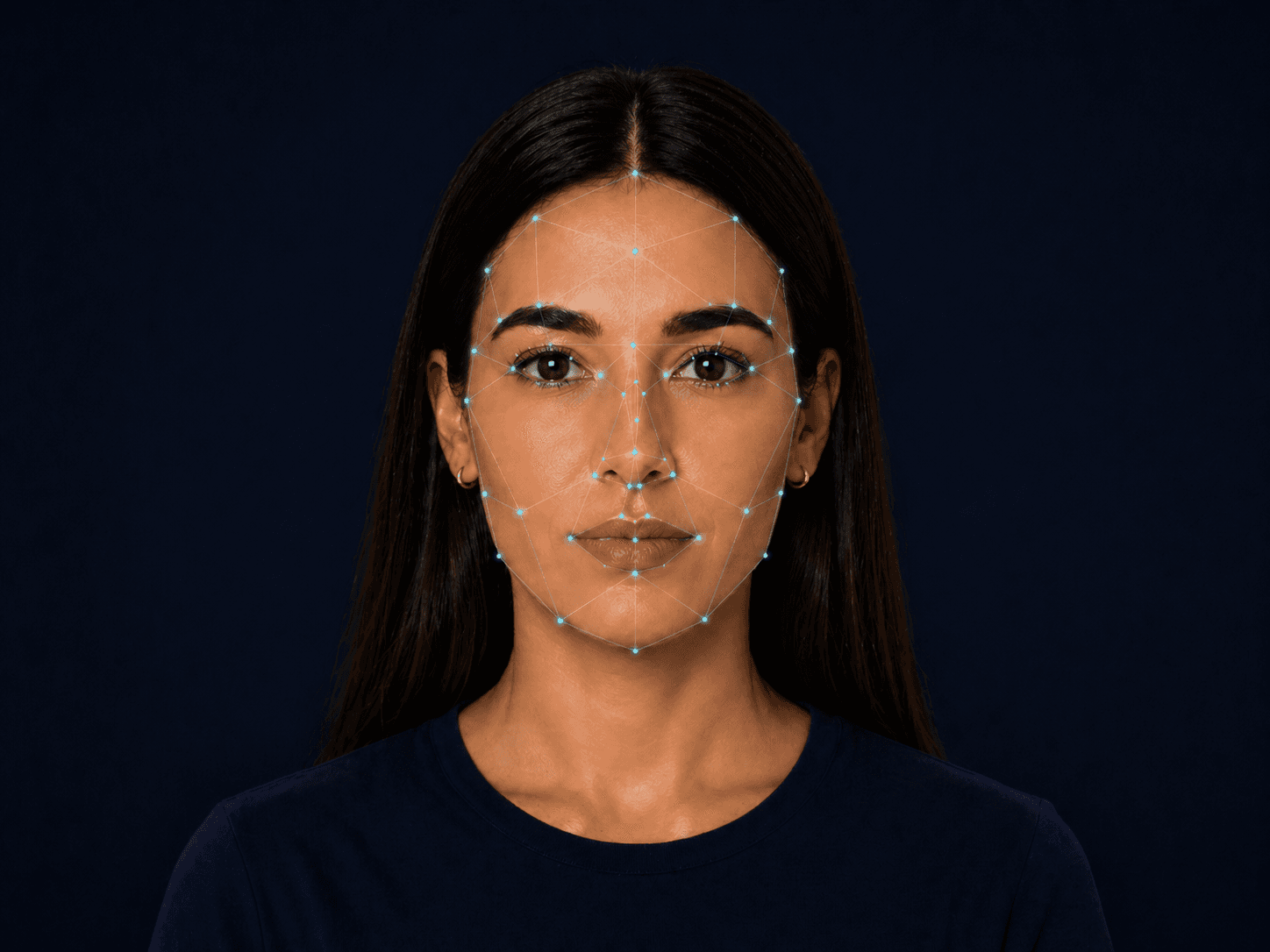
Metrics are guides — use them to choose styling, not to judge yourself.
FAQs#
- Isn't this superficial?
Looksmaxxing isn't about status — it's clear self-presentation: rested, clean, approachable. Then let your actions speak.
- Will people think I'm fake?
Not if you keep it realistic: tidy grooming, good fit, natural expression. Avoid heavy filters; aim for you on a good day.
- Do I need surgery?
No. Most gains come from reversible, healthy levers: grooming, hair, sleep, posture, fit, and basic skincare.
- Is this only for men?
No. Every principle here is gender-neutral: sleep/skin basics, posture, lighting, framing, and fit help any face read clearer and healthier. Facial-hair and makeup tips are optional branches you can ignore or use.
- How fast can I improve my appearance?
Some changes are same-day: better lighting, cleaner grooming, posture, hair shape, and clothing fit. Skin, fitness, and style consistency usually improve over weeks or months.
- What if I don't know where to start?
Pick two: (1) brows/facial-hair tidy-up, (2) window-light photo refresh. Next week add posture or haircut.